

Arcadia
Burnouts and Bad Guys: Chase H.Q. Revisited
Where legends live forever
25 August 2025
Arcade Royalty in High Gear
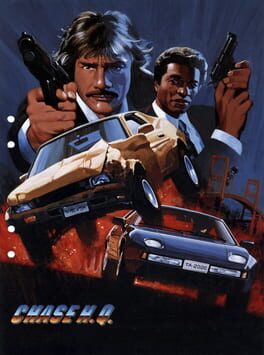
“Chase H.Q.” wasn’t the first driving game, but it injected something new into familiar territory, a bold narrative twist. You weren’t competing on lap times or going in circles. You were cops. You had suspects. They had to be caught. It fused the thrill of pursuit we usually saw in action blockbusters with the interactive pulse of arcade hardware. Think of it as "The French Connection" meets Sega’s "Out Run," but with more pixelated sirens.
That fusion made it instantly charismatic. Players weren’t racing for glory, they were upholding law and order from behind the wheel of a souped-up black Porsche 928. The result? You didn’t just win “Chase H.Q.” you enforced justice. And doing so felt cool. Cool in that mid-twentieth-century, badge-flashing, engine-gunning way that connected instantly with pop culture at the time. This game didn’t chase trends. It chased suspects—and players chased after it.
High-Speed Pop Culture Heat
This was the 1980s. Lethal Weapon. Miami Vice. Magnum P.I. Television and movies were chock-full of peeled tires and moral ambiguity layered under polyester suits. "Chase H.Q." dropped players into that world with all the stylized bravado of a prime-time action series. The CRTs illuminated arcade corners with flickering roadways and flashing lights. Get to a cabinet, pump in a quarter, and you were instantaneously Nicholas, Taito’s answer to Crockett and Tubbs.
It’s easy to forget the kind of power this game held when arcades were meeting grounds, public theaters of competition and adrenaline. It wasn’t just kids dropping tokens either. Teens, college students, even office types on their lunch breaks, everyone wanted in on the action. “Chase H.Q.” delivered not just speed, but stakes. It was cops-and-robbers on digitized highways, and in an age before the internet, word-of-mouth gave it mythic status.
Visually, the game played fast and loose with realism, but it didn’t matter. The frame rate was slick, the scaling impressive for its time, and the way sirens flared as you caught up to the fleeing felons was pure arcade poetry. Its bosses weren’t criminals with depth, they were excuses to ram into something. And for the bustling, bleeping arcade market? That was more than enough.
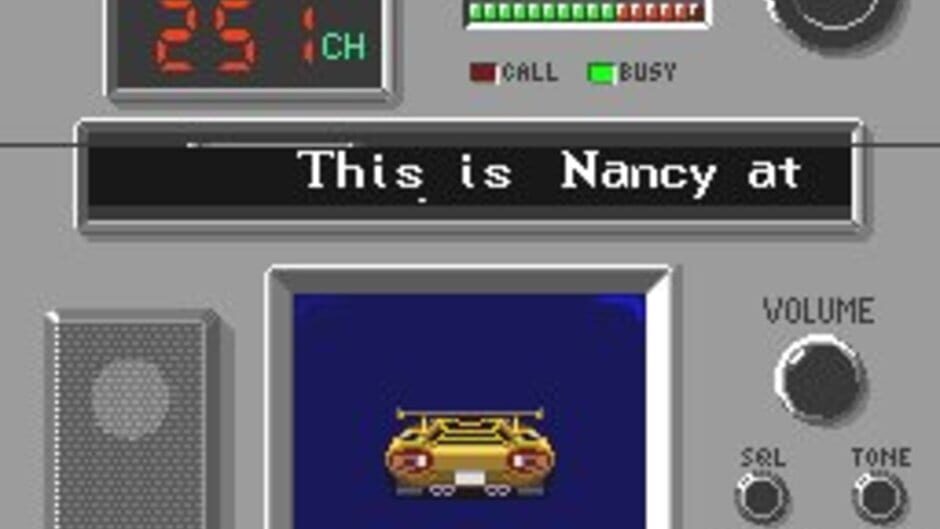
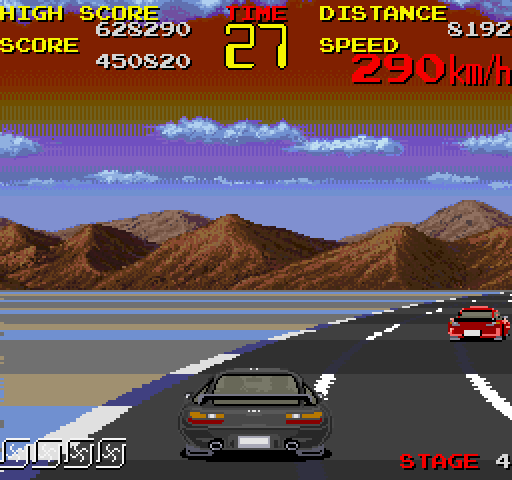
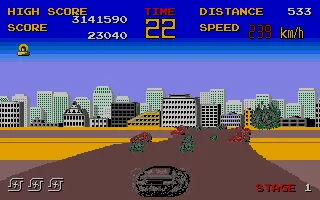
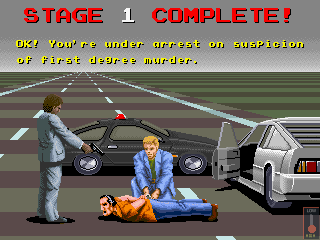
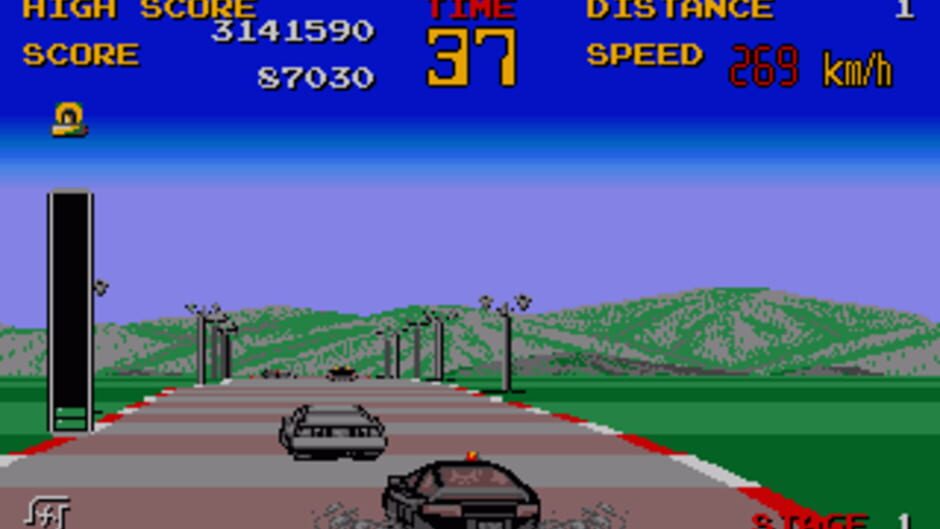
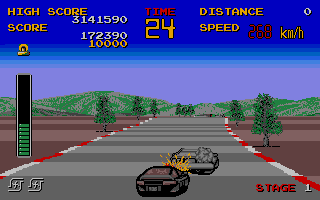
Image Credits to Moby Games, Giantbomb & IGDB
Why We Never Let It Go
So what turned a catchy arcade gimmick into a legend? Simplicity with flair. The game’s mission structure, get to the criminal, ram them off the road, was straightforward. Pair that with snappy sound design, slick graphics, and a turbo boost mechanic that practically slapped you into your seat, and you had a core loop that thrilled from start to finish.
There was also a sense of urgency in "Chase H.Q." that was rare for the time. A countdown timer ensured every mistake mattered. A missed corner? That cost you. A late boost? That meant the perp slinked away, mockingly. Despite the digital veneer, these chases felt intense, personal. You weren’t just completing a game, you were in pursuit. And making that final ramming collision before the timer ran out made players leap out of their seats.
That loop of acceleration, chase, catch, repeat, it became a template. You can trace its influence in stylish racing-action hybrids through the decades. Whether it was "Need for Speed: Hot Pursuit" or spiritual successors like "Pursuit Force" on the PSP, the DNA of "Chase H.Q." lingered.
Legacy of the Highway Enforcers
What stands out about "Chase H.Q." today isn’t just the gameplay, it’s the era it captured and the role it played in shaping gaming culture. It was law enforcement fantasy wrapped around arcade bravado at a time when gaming was transitioning from novelty to culture. For many, it’s impossible to hear the words "Chase H.Q." without triggering memories of smoky arcades, smeared joystick grime, and the unmistakable blare of pursuit mode firing up.
Taito would go on to create sequels, some official, some spiritual, but none quite seized the heart of gamers like the original. It hit like a cannonball and echoed for decades. Even now, it pops up in retro compilations and gets honorable mentions in retrospectives. Whether played on original cabinets, home ports, or via emulation, its energy still holds up even when framed against today’s immersive distractions.
Because when it comes down to it, few things in life beat slamming the turbo and watching a fugitive’s taillights vanish in your rearview. "Chase H.Q." didn’t ask us to save the world. It asked us to get in the car, hit the road, and catch the bad guys, fast. And that streamlined purity? That hi-octane justice fantasy? That’s why it still lives loud in our collective gaming memory.
The highway may be pixelated. The urgency dialed to artificial eleven. But for a generation of arcade warriors, the chase never ended. And that black Porsche? It’s still roaring down the road of legend.