

Arcadia
Metroid: The Legend Beneath the Helmet
Where legends live forever
21 July 2025
A World Beyond the Screen
For kids growing up in the late '80s and early '90s, Metroid was alien in more ways than one. The game began and ended with silence, refusing to hold your hand or dictate a path. Players were dropped into the depths of Planet Zebes, a maze-like underground world laced with deadly foes, eerie music, and a haunting stillness that lingered long after they turned the console off. You weren’t just playing a game, you were exploring a universe that felt alive in its own desolate way.
Where Mario was jubilant and colorful, Metroid was solemn and stark. Where Mega Man gave you clean levels and clear goals, Metroid buried its secrets deep within its labyrinthine structure. This bold departure from the run-and-jump formula of its era was something gamers didn’t quite know they wanted, until they couldn’t stop playing.
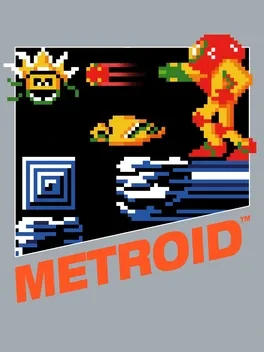
A Hero Revealed, A Medium Redefined
Let’s get to the moment: Samus Aran removes her helmet, and an entire generation of gamers rethinks everything they thought they knew. It wasn’t just a twist. It was a groundbreaking moment in representation and storytelling in games. That a woman-stoic, powerful, heroic-stood beneath the suit flipped conventions on their heads.
In a time when action games leaned heavily into male protagonists and heroic clichés, Metroid’s twist wasn’t just surprising, it redefined who could be the hero. It also did what the best legends do: it planted a seed. Suddenly, players started asking what other stories video games could tell, and whose voices they could include.
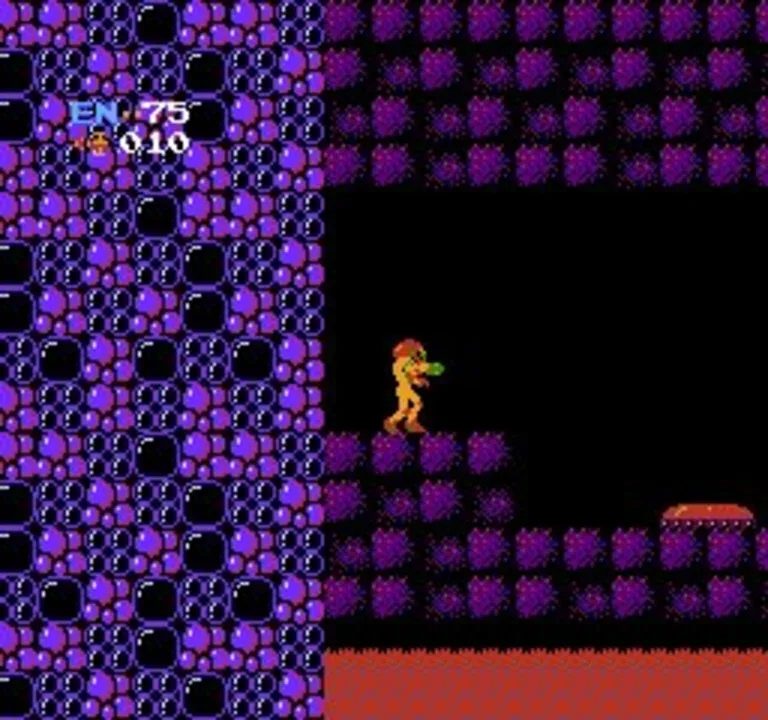
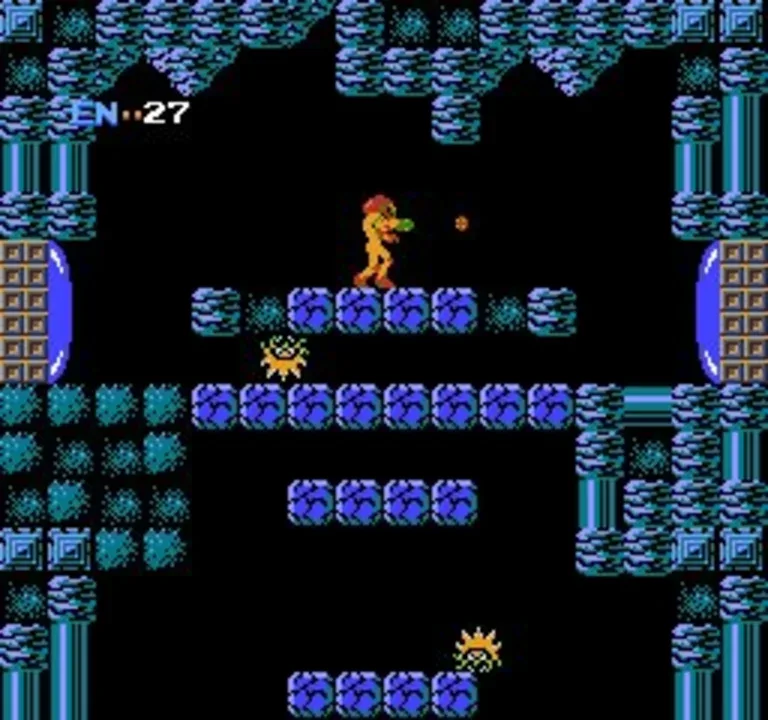
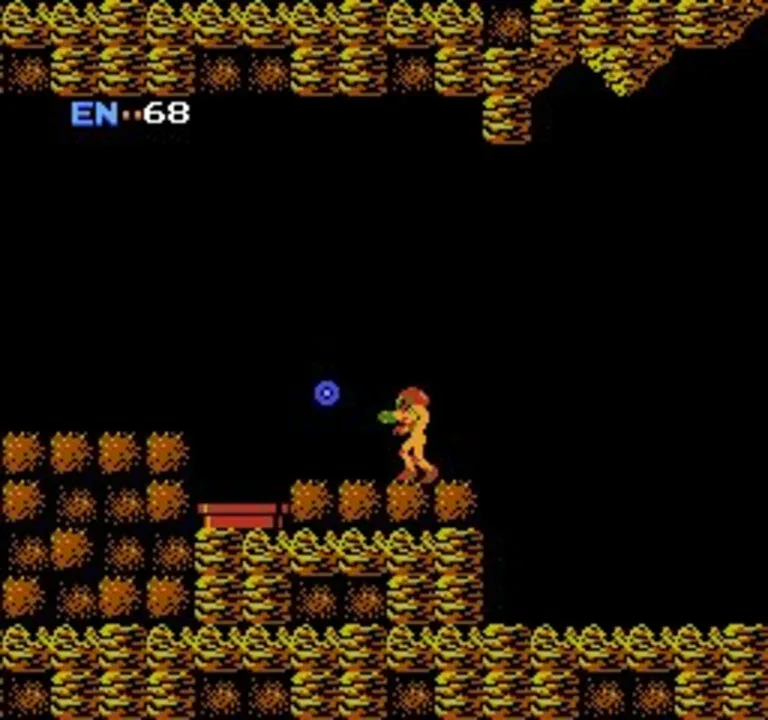
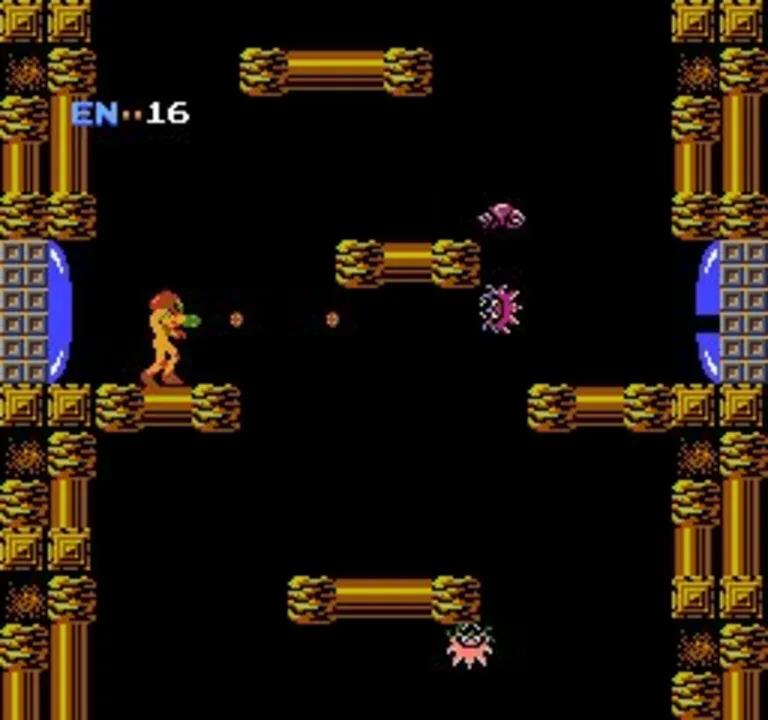
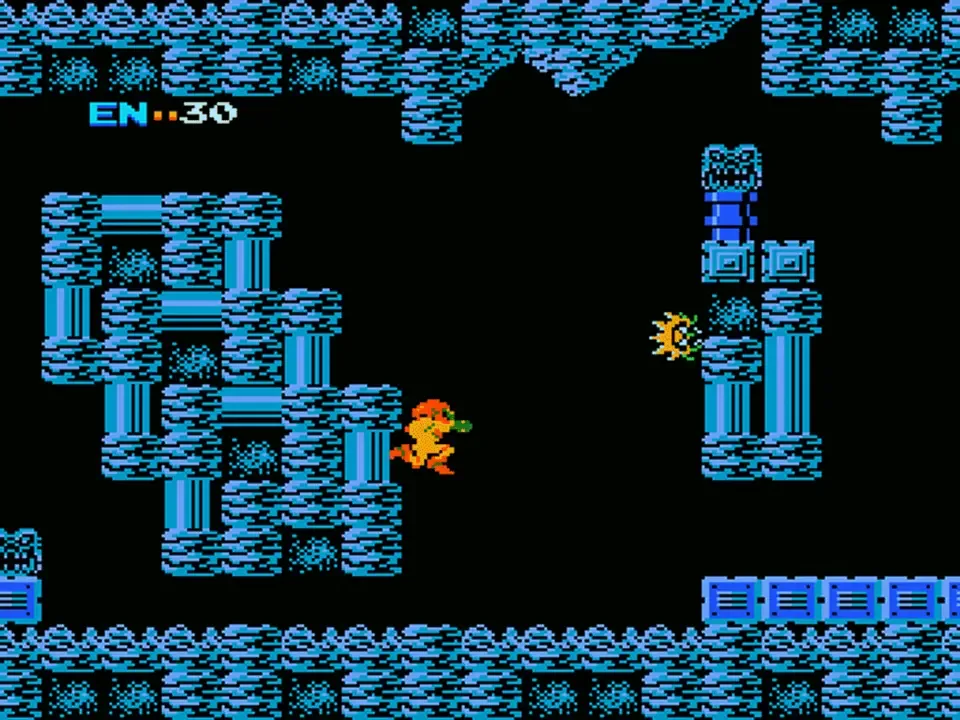
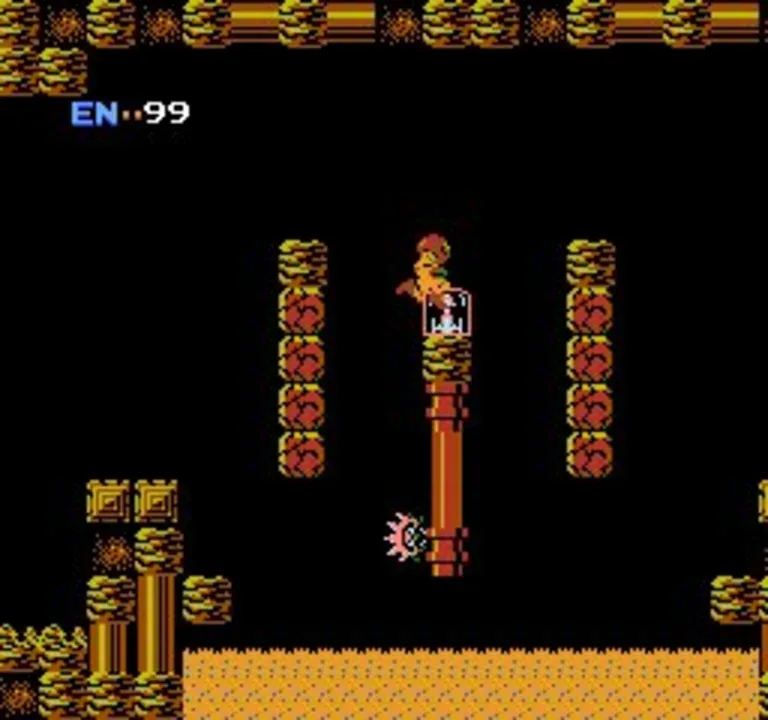
Image Credits to Moby Games, Giantbomb & IGDB
Beyond the Blast Doors and Boss Battles
What truly set Metroid apart wasn't just its setting or its protagonist, it was its structure. Unlike linear platformers, Metroid unfolded like a riddle. It required exploration, backtracking, discovery. It invited players to remember paths, experiment with newfound abilities, and unlock secrets no manual would point them toward. It blurred lines between action, adventure, and exploration, planting the seeds of what would become the “Metroidvania” genre-an entire game design philosophy inspired by its off-map thinking.
Metroid didn’t hold you by the hand. It handed you a map full of black space and said, “Go.” And you did. The thrill of finding a hidden missile tank or uncovering a passage behind breakable blocks was unmatched. Each upgrade wasn’t just an improvement, it was a key to a previously unreachable world, interlocking the gameplay loop with a primal sense of discovery.
Legacy Written in Code and Memory
The legend of Metroid has only grown with time. Its sequels, particularly Super Metroid and Metroid Prime, expanded its mythos, refining the formula while staying true to its soul. But it's the original that remains a foundational epic, ingrained in the minds of those who played it and resonating through the design of modern games that borrow its DNA.
Indie developers, AAA studios, first-timers and veterans, so many have looked back to Metroid for inspiration. Hollow Knight, Axiom Verge, Ori and the Blind Forest, each homage builds upon Metroid’s bones. And in doing so, they preserve its spirit: that video games can be quiet, exploratory, mysterious, and yet utterly enthralling.
Metroid made players feel like archaeologists, fighters, and rebels, all within the span of an 8-bit cartridge. Its minimalist storytelling, psychological depth, and nonlinear freedom were ahead of their time. That the game feels just as vital nearly four decades later is a testament to its design brilliance.
Where Legends Live Forever
Metroid isn’t just a chapter in gaming history, it’s a myth that lives on. It gave us silence in a noisy medium, wonder in tight corridors, and a hero who showed the world that badass doesn’t come with a default look. Samus Aran became more than just a character, she became a symbol of resilience, mystery, and laying waste to expectations.
For many, Metroid was the first time video games felt vast. Not big in the grand spectacle sense, but in emotional scale-a game that didn’t just want to entertain, but to transport. And in doing so, it left a mark not just on consoles, but on collective memory.
Even now, booting up the original Metroid feels like entering sacred ground. The screech of the title screen, the subtle animation, the dark descend into unknown tunnels, it’s legend, pixelated and preserved.
The world may change, technologies may evolve, but Samus still waits beneath her armor. And Metroid still waits in the dark, ready to remind us of where we’ve been, and what video games can truly become.